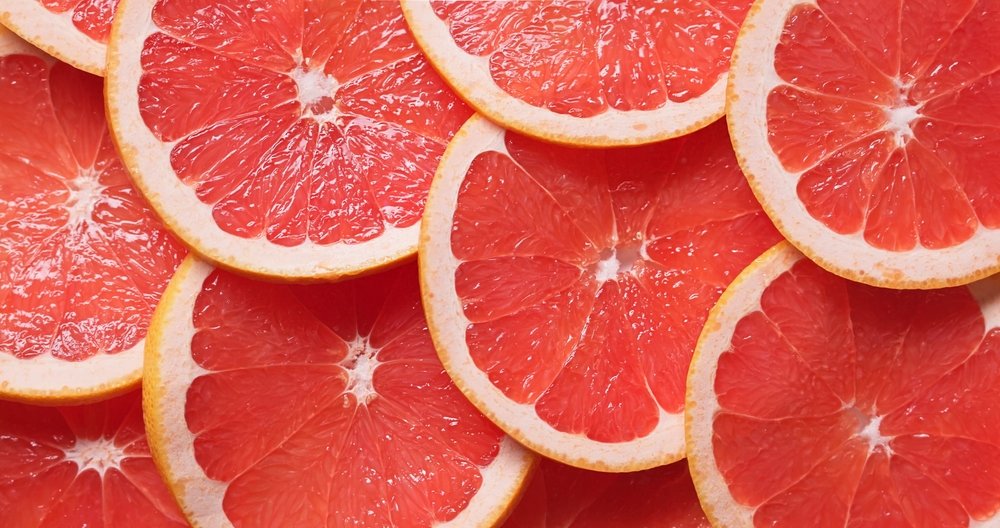
Every day, citrus fruit juicing sees tons of grapefruits squeezed, with the remnants of the fruit often regarded as little more than waste. However, that “waste” contains natural plant fibers and other compounds that can be further utilized rather than being cast aside entirely. By removing pectin, purifying cellulose, and utilizing ultrasonic cleaning methods, these byproducts are being transformed into products that can aid in packaging, filtration, and other sustainable applications.
This doesn’t just reduce food processing waste, but also supports any organization as they strive to move toward a circular economy, where byproducts and waste are reused rather than discarded.
Generating Value From Fruit Waste
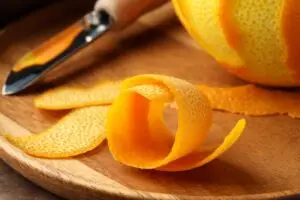
The term for this process is something called valorization, or simply put, finding a better use for the waste that is produced as these fruits are used for their juice. When placed in the wider context of grapefruit juice production, this means taking waste products, like pulp and peels, and using the valuable materials that are still present.
Using the whole fruit, pulp and peel included, we can:
- Extract pectin, a highly useful compound you’ve likely had in jams or jellies, but can be used for other food products, cosmetics, and a slew of other applications.
- Purify cellulose, an abundant and natural plant fiber that can be used for creating packaging, reinforcing materials, and more.
- Break and smooth those fibers down further with ultrasonic waves to make them even more useful for a variety of different applications.
The goal isn’t to simply throw the spent fruit away, but to turn those waste products into something valuable that consumers and businesses alike can effectively utilize.
Use Cases and Applications
Making use of grapefruit waste opens up a variety of different use cases, like the following:
- Sustainable packaging
- Filters or absorbents for water treatment
- UV-blocking films
- Reinforcement fibers for eco-friendly plastics
- Food and cosmetic ingredients
When you get right down to it, the grapefruit gets a new lease on life, far beyond what it might have had when simply used for juice or eating.
Why Does It Matter?
| Benefits | Impacts |
|---|---|
| Less food waste | Less byproducts end up in landfills, while a large majority of the fruit is effectively utilized. |
| Better use of natural resources | You’re simply getting way more value from the same harvest. |
| Cleaner Processing | Less need for harsh and potentially hazardous chemicals. |
| New Raw Materials | Companies can make use of these new materials to develop sustainable packaging and other products. |
Circular Economies
You’ve likely seen a push toward circular economies, at least when it comes to manufacturing. The benefits of processes like valorization are the direct result of pursuing circular economies. In a nutshell, you’re attempting to make full use of all available resources while cutting down on the amount of waste produced. This doesn’t just have cost-saving benefits, but also helps any organization minimize its ecological impact. We’re certainly going to see further practices like valorization going forward, and it makes effective use of byproducts that might otherwise only end up getting cast aside. Simply put, pursuing a circular economy isn’t just good for the planet, it’s good for business.
Conclusion
The pulp left over from juicing a grapefruit isn’t just trash. Despite popular belief, it’s full of possibilities. By making use of valorization processes like pectic extraction, cellulose purification, and ultrasonic cleaning, manufacturers can turn those byproducts into something useful. The sort of research leading to these discoveries is about working toward a smarter, more eco-friendly production workflow, while also giving a juiced fruit a new lease on life.
Ready to take the next step? Learn how you can utilize sustainable citrus products from ICC. Contact us or request a quote to take the next step toward more eco-friendly production workflows.