
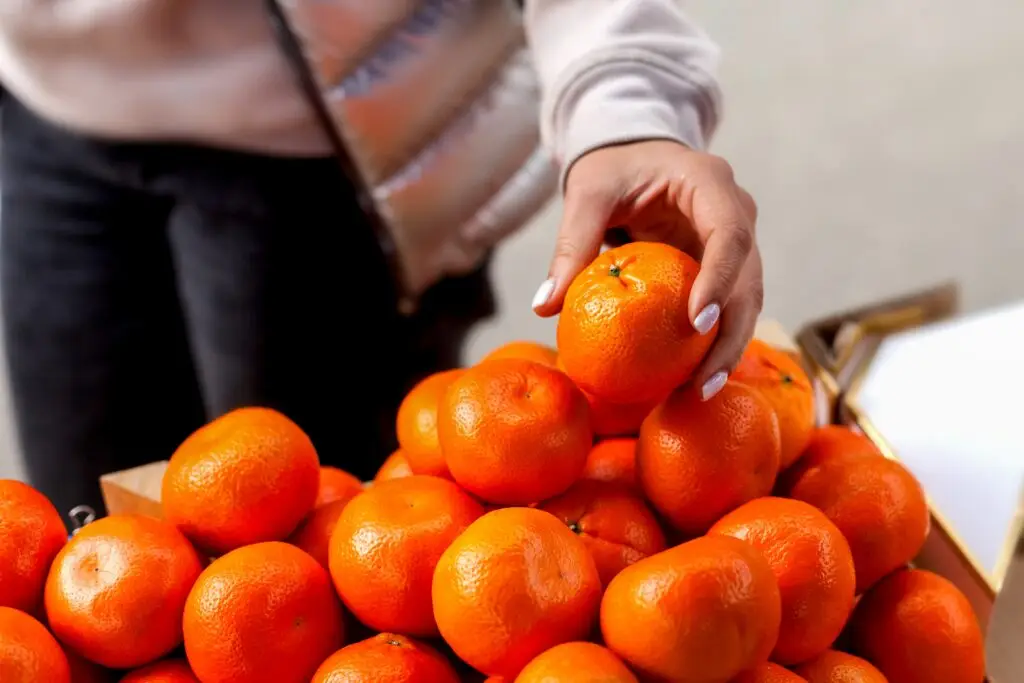
Florida Closed the 2025-26 Season With 13 Million Boxes of Utilized Oranges
Florida remains an important citrus-producing region, but the scale of the industry is far below historical levels. According to USDA National Agricultural Statistics Service data available at the end of August 2026, Florida recorded 13.0 million boxes of utilized oranges for the 2025-26 season. USDA also reported approximately 126,800 harvested orange acres and an average yield of 102 boxes per acre.
Those numbers provide an important baseline for citrus ingredient buyers. Florida is no longer the production engine it once was, yet its processing infrastructure and citrus supply remain relevant to orange oil, d-limonene, and other peel-derived ingredients. For procurement teams, the key question is not simply whether production is higher or lower in a single season, but how much fruit is ultimately processed and how efficiently valuable citrus streams are recovered.
The Latest USDA Reports Reinforce the Need to Watch Productive Acreage and Processing Volume
USDA released its preliminary 2026 Commercial Citrus Inventory and preliminary 2025-26 Citrus Summary on August 27. These reports provide the industry with a fresh view of the acreage and production base heading into the next cycle.
For ingredient markets, acreage alone does not determine supply. Fruit quality, yield, harvest timing, fresh-market demand, and the share of oranges moving into processing all influence the amount of peel and oil available for recovery. This is particularly important for orange oil and d-limonene because their supply is closely linked to citrus-processing activity rather than simply the number of trees in the ground.
As a result, buyers should monitor both agricultural production and processor activity when evaluating the Florida market.
Florida Supply Must Be Viewed Within a Broader Global Citrus System
Florida does not operate in isolation. Brazil remains the dominant global orange-processing market, and other producing regions provide additional supply and seasonal diversification. When Florida production is limited, manufacturers may rely more heavily on product originating from other regions.
That global balance can help stabilize availability, but it also introduces additional considerations around freight, lead times, currency movements, regional crop conditions, and inventory positioning. A disruption in one region does not automatically translate into a shortage, just as an improved crop does not automatically guarantee lower ingredient pricing.
For buyers of orange oil, d-limonene, and related citrus products, regional diversification remains one of the most practical ways to manage agricultural volatility.
What Buyers Should Watch Heading Into the Next Citrus Cycle
The most useful signals for commercial buyers will be the next round of crop forecasts, changes in productive acreage, fruit quality, processing volumes, and weather conditions across major growing regions. Citrus disease pressure also remains a long-term factor in Florida production and continues to shape grower economics and yield expectations.
Inventory strategy matters as well. Companies that use citrus ingredients in recurring production programs may benefit from discussing requirements earlier, particularly when specifications or volumes limit substitution options. Waiting for a market disruption before evaluating alternatives can reduce flexibility.
The current Florida citrus market is best described as one that still requires close monitoring. The latest USDA data provides a clearer picture of the 2025-26 season, but citrus-derived ingredient availability will continue to depend on the interaction of crop size, processing activity, global supply, and customer demand.
ICC Citrus continues to monitor citrus production and sourcing conditions across key regions. Buyers seeking current information on orange oil, d-limonene, terpenes, or forward supply planning can contact ICC Citrus to discuss availability and purchasing needs.