Natural Ingredients for Modern Farming
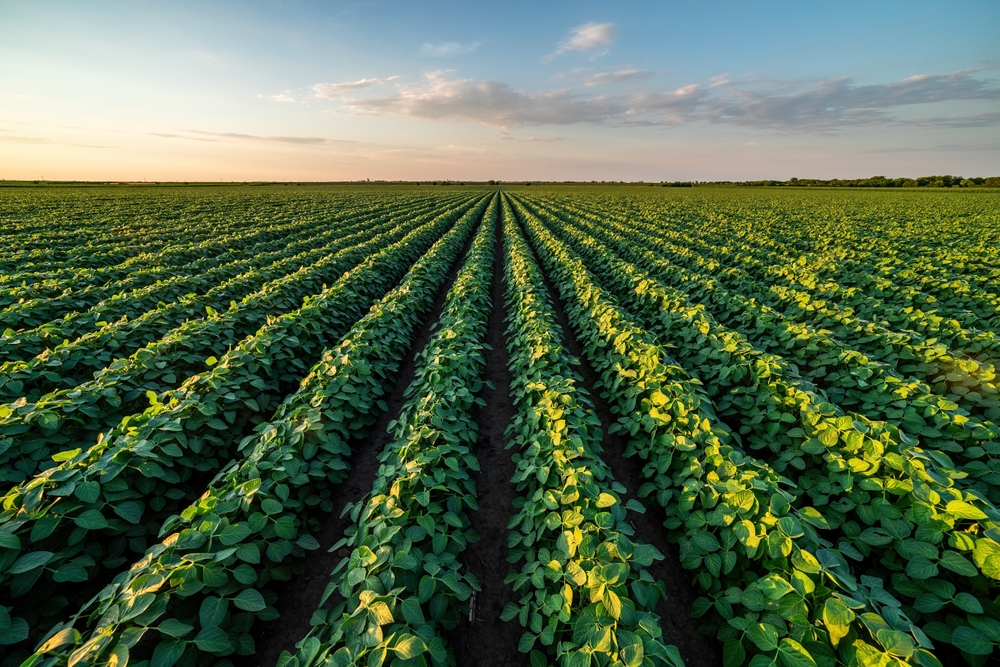
Agricultural operations around the world are embracing sustainable practices that promote soil health, reduce chemical load, and ensure long-term crop productivity. In this movement toward green agriculture, d-Limonene – a citrus-derived solvent and terpene – is gaining popularity as a powerful, natural input.
Used in everything from pest control to equipment sanitation, d-Limonene offers farmers a way to reduce reliance on synthetic chemicals while maintaining performance and regulatory compliance.
What Is d-Limonene?
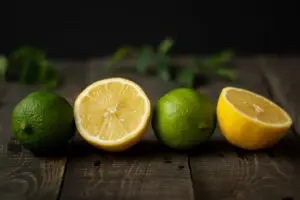
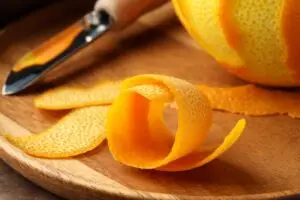
d-Limonene is the dominant compound found in the peels of oranges and lemons. A monocyclic monoterpene, it serves as both a solvent and a natural insecticide, making it well-suited for agricultural applications where efficacy, safety, and biodegradability are key.
Agricultural Applications of d-Limonene
Natural Insect Control
d-Limonene acts as a contact insecticide that disrupts the waxy exoskeleton of many pests, causing suffocation and death. It is commonly used against:
- Aphids
- Mites
- Whiteflies
- Ants
- Mealybugs
Its efficacy, combined with a favorable environmental profile, makes it a useful alternative to organophosphates and pyrethroids in organic or integrated pest management (IPM) systems.
Equipment and Facility Sanitation
d-Limonene’s powerful degreasing action makes it ideal for cleaning:
- Agricultural machinery
- Processing areas
- Packing facilities
- Food-contact surfaces (in food-grade forms)
It removes oil, tar, resins, and chemical residues without introducing harsh fumes or toxic residues.
Soil and Root Zone Treatments
At diluted concentrations, d-Limonene can support root rot suppression and fungal control in soil or hydroponic systems. While still under research, it is being tested as part of integrated organic treatment blends.
Regulatory and Safety Benefits
Because d-Limonene is naturally occurring and biodegradable, it is often:
- Exempt from tolerance levels under EPA 40 CFR 180.950
- Approved for use in organic systems under OMRI guidelines (when compliant formulations are used)
- Free from worker re-entry interval (REI) restrictions in many cases
- Non-toxic to pollinators when applied responsibly
This makes it a compelling option for growers subject to FSMA, Global GAP, or organic certification audits.
Sustainability in Agricultural Inputs
Using d-Limonene supports sustainability on multiple levels:
- Reduces petrochemical use in farming
- Minimizes soil and water contamination
- Improves air quality in enclosed operations
- Supports waste valorization by using a byproduct from citrus juice processing
ICC Citrus: Agriculture-Ready d-Limonene Supply
At ICC, we supply high-purity d-Limonene suitable for agricultural use, with:
- Bulk and drum formats for commercial growers
- Food-grade and industrial-grade variants
- Transparent documentation for organic and commercial audits
- Year-round availability via our Florida and South Carolina warehouses
Ready to bring sustainability to your farm operations with citrus-based inputs?
Contact ICC Citrus for product specs, MSDS, and custom agriculture sourcing.