Process Distillates Are Limonene-Rich Fractions Recovered During Citrus Processing
Process distillates are secondary products recovered during the processing and refinement of citrus oils, including through steam or vacuum distillation. Depending on the source and process, they may contain varying mixtures of terpenes, terpenoids, and other organic compounds. For industrial buyers, the useful question is not whether a distillate is better or worse than a refined terpene product, but whether the formulation actually requires a high-purity cut. Composition and purity vary by stream, grade, and supplier, so the term describes a family of materials rather than one fixed specification.
Where Process Distillates Come From in the Citrus Extraction Sequence
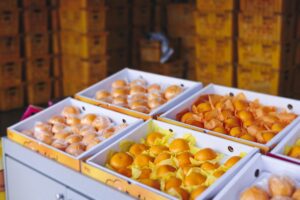
Commercial citrus processing yields more than juice. UF/IFAS extension material identifies essential oils and essences, d-Limonene, dried pulp, and molasses among the major by-products of the Florida citrus industry, and notes that peel oil is normally recovered either just before or during juice extraction.
Once juice is extracted, the remaining peel moves to a feed mill, where it is limed, pressed, and dried for citrus pulp and pellets. The press liquor is concentrated in a waste heat evaporator, and the same source describes the primary point of d-Limonene recovery as the stage after that evaporator, where the terpene is separated from the condensate by decantation.
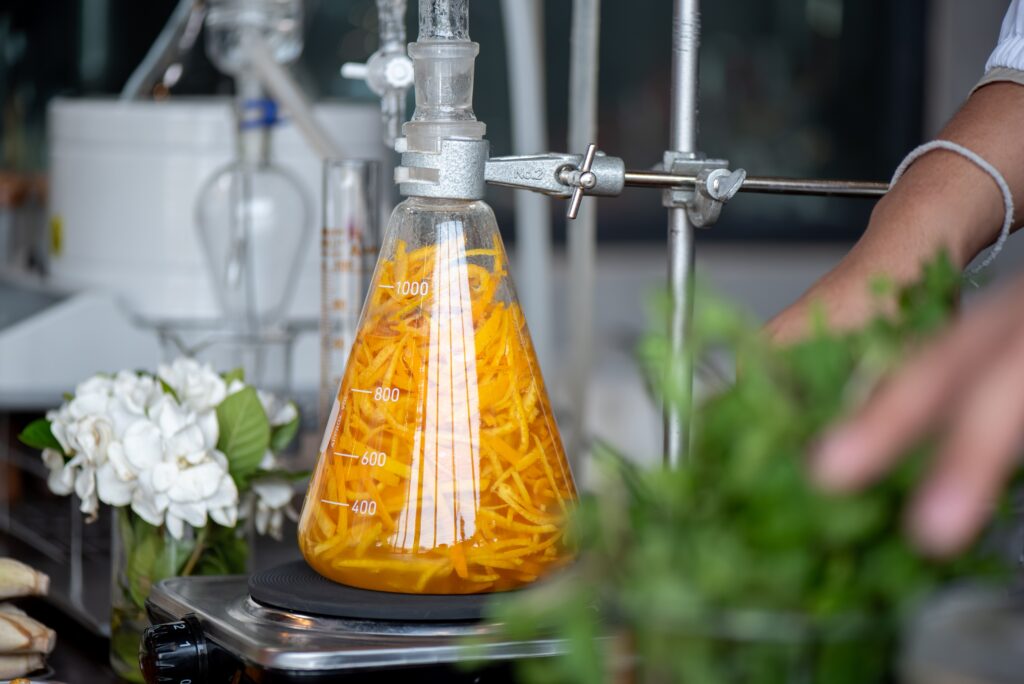
Distillation and fractionation applied to these oils and condensates are what create more defined products. Process distillates are recovered during refinement, but their composition and intended use depend on the particular stream and supplier specification; they should not automatically be treated as a standardized intermediate grade or a substitute for refined d-Limonene.
How Process Distillates Differ From Refined d-Limonene and Citrus Terpenes
Limonene is the dominant constituent of citrus peel oils. A 2023 review in the Flavour and Fragrance Journal reports that oils produced from citrus rinds generally contain limonene at about 60 to 95 percent of the oil, with lower concentrations in a few species, and that vacuum distillation is the most widely used method for shifting those fractions.
Additional distillation stages concentrate the terpene portion further and narrow the variation between lots, which is what separates refined d-Limonene and graded citrus terpenes from an earlier-stage distillate. Published figures describe specific studies and equipment rather than universal product standards. Actual ranges differ by grade, processor, and supplier, so the supplier’s own specification and certificate of analysis remain the reference point.
Applications Where a Limonene-Rich Distillate Can Be Appropriate
Refined d-Limonene is used industrially as a feedstock for adhesives, degreasers, cleaners, and solvents, and as a diluent in flavor work. Where a formulation depends on consistent odor, color, or residue behavior, a refined grade is usually the better starting point.
A process distillate may be worth evaluating when its documented composition and performance fit the application. A heavy-duty degreasing concentrate, a process aid, or material intended for further distillation may not need a high-purity cut, and in those cases a limonene solvent fraction with a broader specification can deliver adequate performance with a lighter specification burden. Because composition can vary by product and supplier, the odor contribution, color, and residue of the specific lot should be evaluated on the actual substrate before a distillate is designed into a product.
Specification and Supply Questions to Settle Before Ordering a Distillate
Three questions resolve most distillate decisions. First, what performance attribute is the material actually providing, and how much lot-to-lot variation can the finished product absorb. Second, what documentation is required for internal approval, including Safety Data Sheets and technical specifications. Third, how will the material be supplied and stored, since drum and bulk programs call for different planning.
Availability is also worth reviewing. Distillates come from the same processing streams as orange oil and refined terpenes, so the volume of fruit moving through juice processing influences how much material is recovered in a given season. Buyers who confirm specifications and reorder points in advance are better positioned when processing volumes change.
ICC Citrus lists process distillates, d-Limonene, and citrus terpenes among its citrus products, with bulk and drummed citrus supply options described on its website. Confirm the applicable grade and packaging with ICC. Contact ICC Citrus to review a specification or request a quote.