Natural Chemistry Meets Industrial Innovation
As industries worldwide shift toward more sustainable, eco-friendly solutions, a new class of ingredients is emerging to replace synthetic chemicals without compromising performance. One of the most promising of these is citrus terpenes—naturally derived compounds that offer unique advantages in adhesives and coatings.
Among these terpenes, d-Limonene and related citrus derivatives have gained traction for their solvent properties, volatility profiles, and low toxicity. For manufacturers and formulators seeking to reduce environmental impact while maintaining adhesion strength, durability, and drying performance, citrus terpenes offer a viable, cost-effective path forward.
What Are Citrus Terpenes?
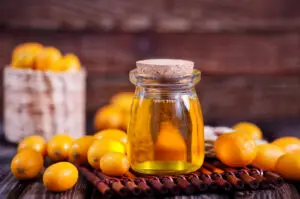
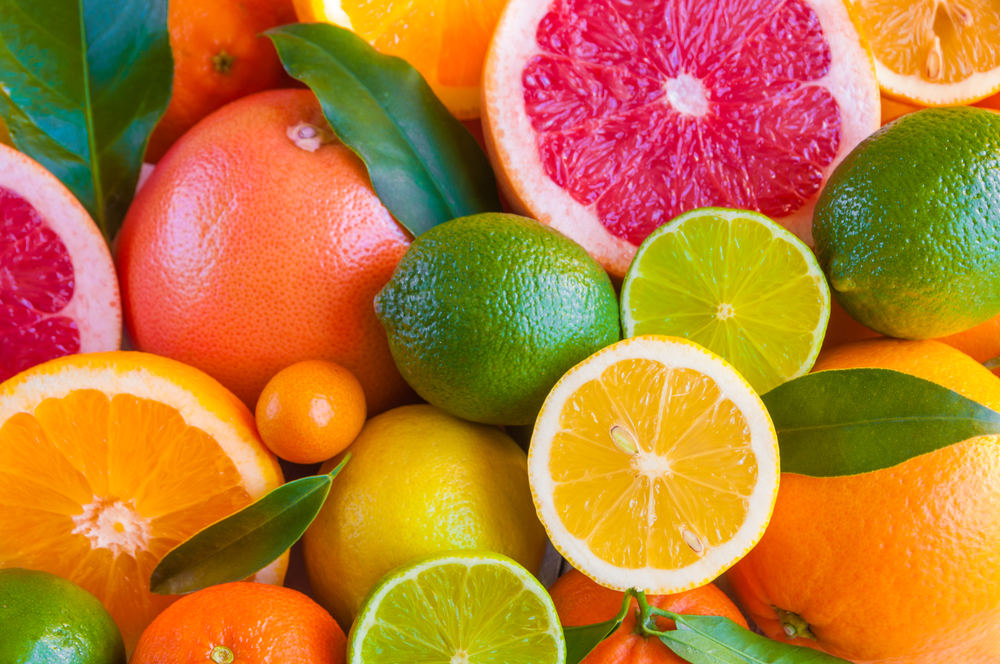
Citrus terpenes are organic compounds extracted primarily from the peels of oranges, lemons, and other citrus fruits. They include d-Limonene, alpha-pinene, beta-pinene, and other naturally occurring hydrocarbons.
In industrial use, terpenes are typically isolated during the distillation or cold-pressing of citrus oils. These compounds are biodegradable, renewable, and exhibit excellent solvency characteristics – making them ideal for resin solubilization, surface preparation, and formulation development in adhesives and coatings.
The Advantages of Citrus Terpenes in Adhesive and Coating Formulations
High Solvency and Resin Compatibility
Citrus terpenes are especially effective at dissolving a variety of resins, including acrylics, polyurethanes, and natural rubber. This makes them useful for formulating pressure-sensitive adhesives (PSAs), hot melts, and solvent-based coatings.
Low Toxicity and VOC Compliance
Compared to traditional solvents such as toluene, xylene, or methyl ethyl ketone (MEK), citrus terpenes are less toxic and often comply with VOC regulations. This reduces regulatory overhead and improves worker safety.
Renewable and Biodegradable
Citrus terpenes are naturally sourced from the citrus juice industry, often as byproducts. Their use supports circular manufacturing and provides a renewable alternative to petrochemicals.
Pleasant Fragrance Profile
Unlike harsh-smelling petroleum solvents, citrus terpenes impart a fresh, natural citrus scent, which is often viewed as a benefit in indoor or commercial settings.
Applications Across Industries
- Automotive and Aerospace Adhesives: Used in bonding assemblies, gasket coatings, and composite materials.
- Wood Finishes and Paints: Enhance drying and adhesion in varnishes, stains, and clear coats.
- Construction Adhesives: Provide eco-safe alternatives in construction-grade bonding agents.
- Labels, Tapes, and Flexible Packaging: Increasingly adopted in PSA labels and lamination adhesives for food-safe packaging.
Formulation Considerations: Performance Meets Processability
For formulators, citrus terpenes offer both solvency power and blendability. They can be mixed with other biobased solvents or used to reduce petrochemical content in hybrid systems.
Important considerations include:
- Evaporation Rate: Slower than acetone or hexane, which extends working times.
- Viscosity Modulation: Impacts flow characteristics in coating and spray applications.
- Flash Point: Higher flash points improve storage and transportation safety, but may affect curing times.
Sustainability and Market Demand
As companies prioritize sustainability and compliance, terpene-based products support:
- Reductions in greenhouse gas emissions
- Safer workplace air quality
- Alignment with biobased and REACH-certified formulation goals
- Supply chain transparency and corporate ESG initiatives
The ICC Citrus Advantage
Interstate Commodities Corp. supplies high-purity d-Limonene and orange terpenes year-round. Our dual-hemisphere sourcing and warehousing in Spartanburg, SC, and Ocoee, FL, enable consistent, scalable delivery with traceable quality standards.
Looking to upgrade your coating or adhesive system with citrus-based solutions?
Contact ICC Citrus today to request a spec sheet or sample formulation.